
Simon Leverett
Carmarthenshire, Wales
This story was filmed in 2026 and reflects one farmer’s own experience with their Tow and Fert. Every farm is different, so please treat it as a story rather than a forecast for your place.
Foliar spraying in Wales: Should I put the fert out and hope it rains tomorrow?
Capel Isaac, Llandeilo, Carmarthenshire, Wales
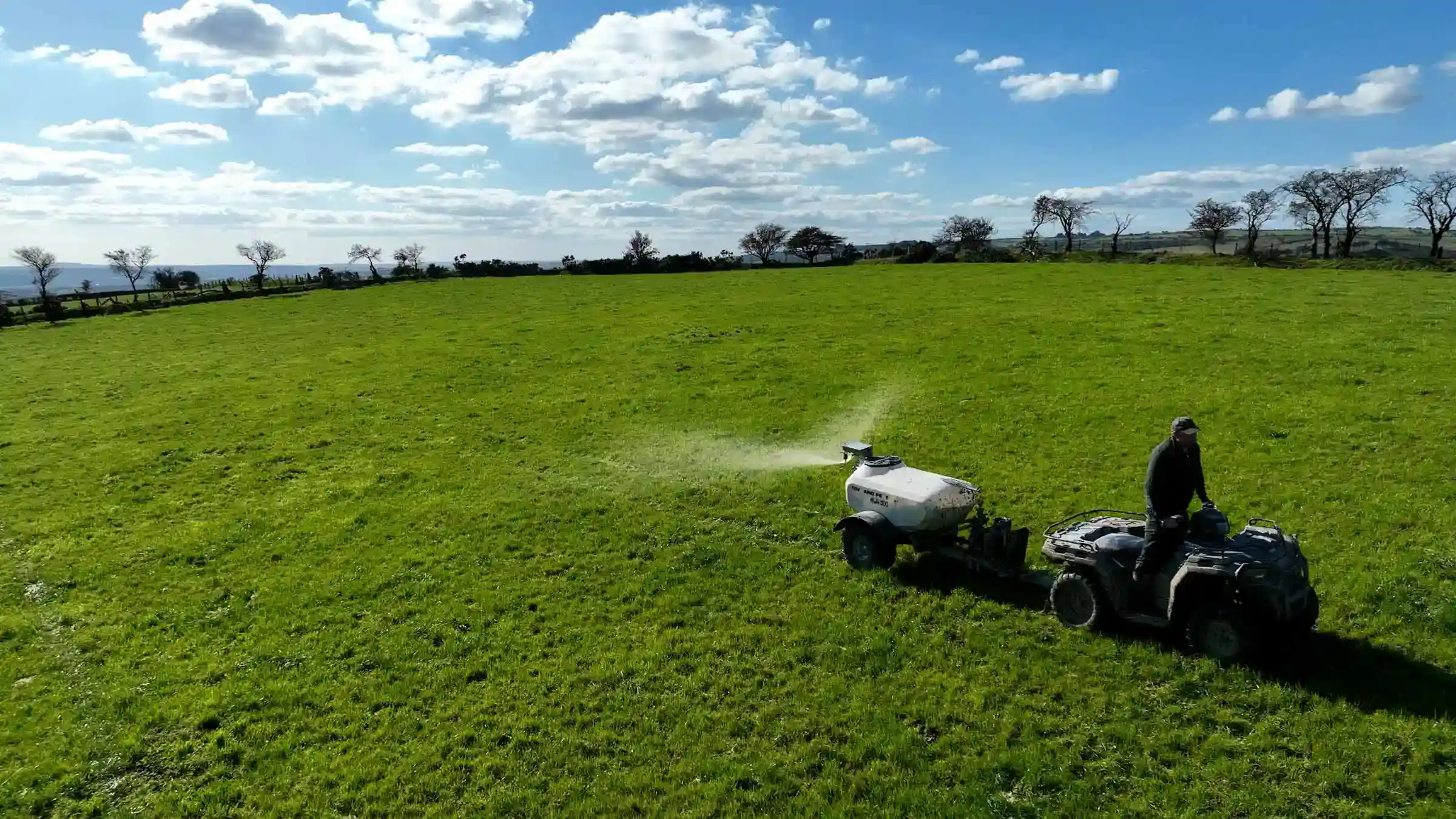
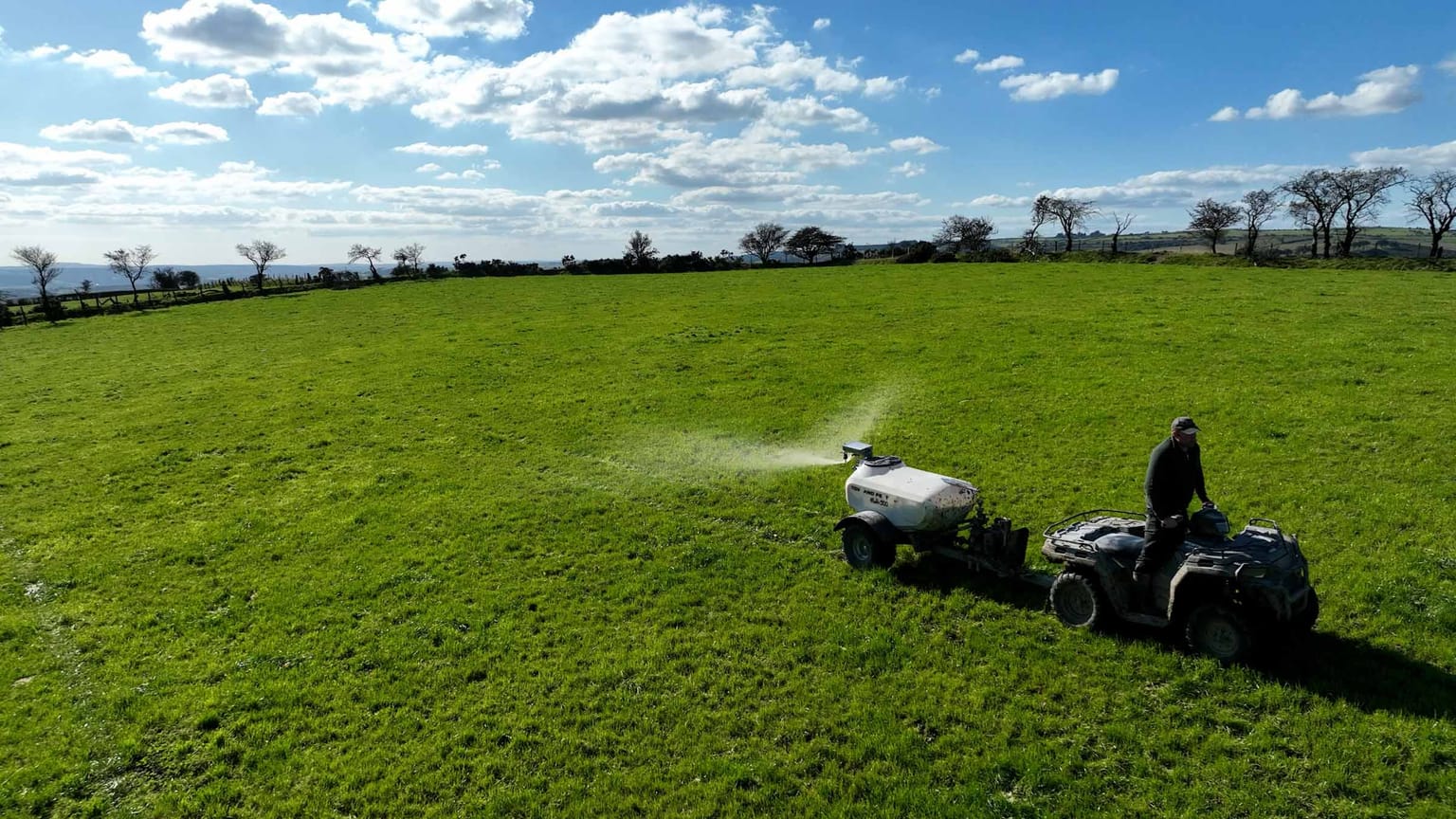
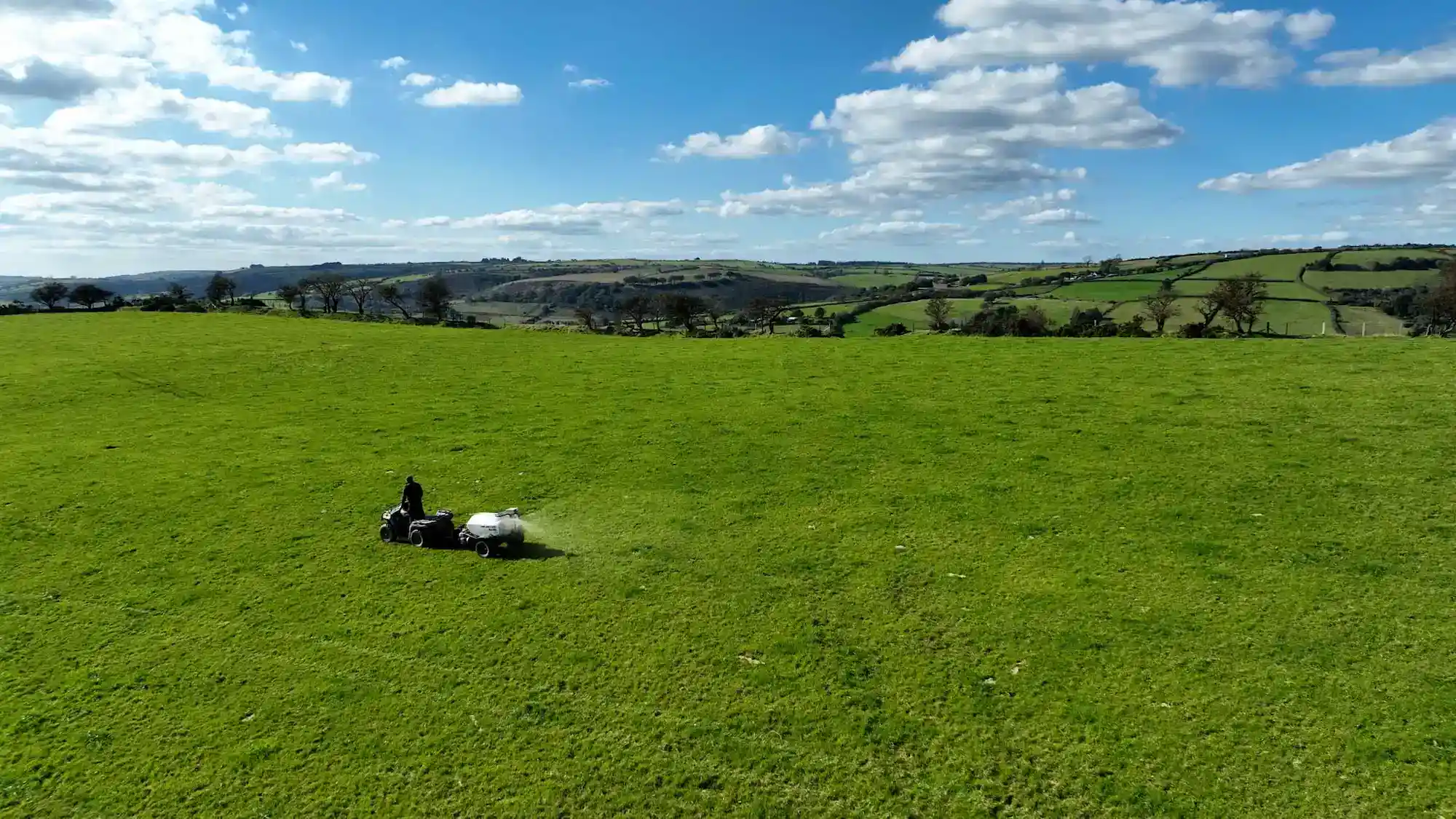
150 acre council farm, 125 cows, spring calving, mainly Jerseys and Jersey crosses. Low input, low machinery. Two seasons with a Multi 500.
Simon farms a council farm near Llandeilo, running a low input, low machinery system. Before the Multi 500 it was prills, put on by a contractor.
That wasn’t really working for us. We wanted it in our control. I looked into it and understood it was going to reduce my fertiliser bill. So away we went.
He used to bring in around 30 tonnes of fertiliser a year. The last two seasons, closer to 20.
That’s a decent reduction.
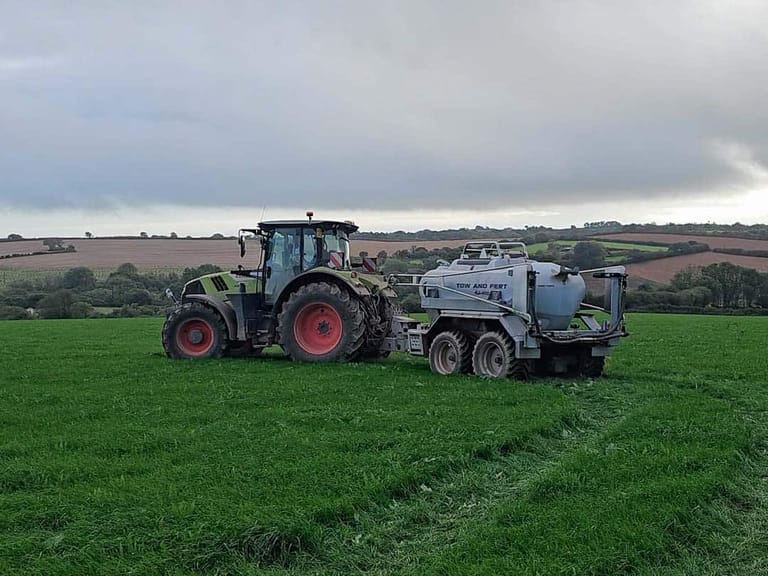
The tractor went with it.
It’s allowed us to get rid of the tractor, so I can keep a real low machinery system. We just have the quad and a skid steer now.
And the thing he keeps coming back to is the timing.
Thinking about Tow and Fert?
Talk with a specialist
Tell us about your operation and we’ll match the right model and setup for you.
You’re not trying to find that weather window. You’re not thinking, should I put the fert out and hope it rains tomorrow? On a day like this you can get it out and it’s set. I’m not worried I’m going to lose my fertiliser down the ditch.
The mix has changed as he’s gone. Year one was urea and molasses. Now there’s fine lime going through, a bag every run, and a bit of sulphur. Plantain, chicory and clover seed go through regularly. Biologicals are next.
He reckons the sward has changed too.
We were on a dung beetle project last year, and I think we had one of the highest levels of dung beetles here. It’s hard to quantify, but you certainly feel there’s more life in the farm.
On the money, he bought it on finance.
There’s a number of benefits. How you actually calculate it, I dunno. But every which way you look at it, there’s a bit of a win.
The finance is by far less than what I’m saving in fertiliser. Within a year I’ve got extra cash in the bank, effectively. By the time it’s paid off, another year’s time, I’ll be winning out totally without a finance bill. The saving on the contractor alone would have pretty much paid for it.